GENERAL SYSTEM INSTRUMENT DEFINITION
A collective of independent and interdependent parts played by a single performer.
All parts are flexible in assembly, can change from piece to piece and concert to concert.
Electronics are often incorporated alongside acoustic instruments but a system can also be purely electronic.
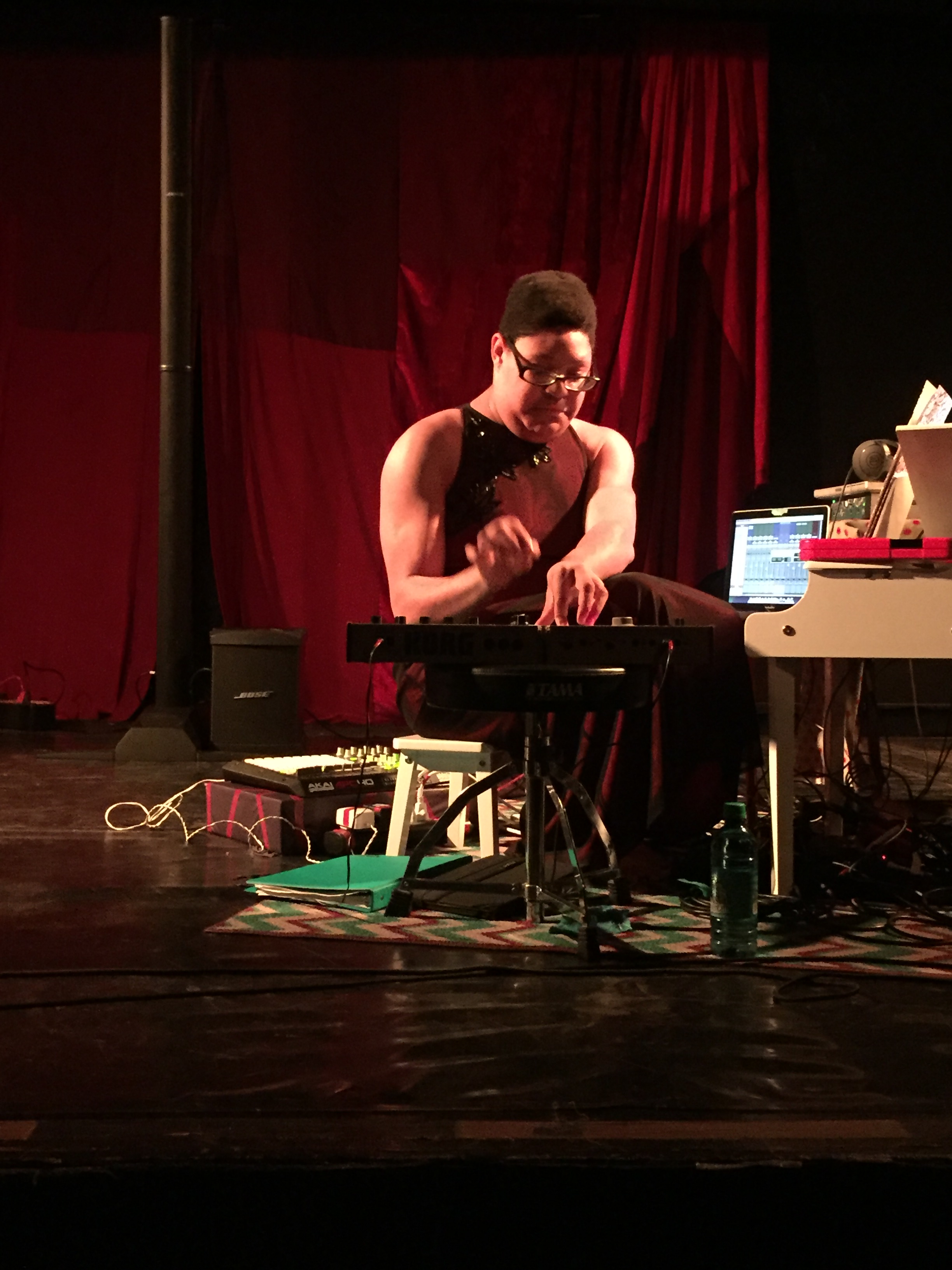
In addition to electronic and acoustic components, the body of the performer is also a crucial element of the system, whether used as a active choreographic being or a passive conduit for engaging with other parts of the system.
A variety of user interfaces are employed at the same time and playing a system instrument requires active and dynamic interaction with multiple interfaces that engage the brain in a variety of different ways in rapid succession.
The virtuosity of a performer and most impressive display of technical skill is on a neurological level interlinking seemingly disparate systems as one sonic or audiovisual voice.
COMPOSING CONSIDERATIONS
Staff notation
Staff notation and narrow detailed work does not unlock the full potential of the instrument since as many as twenty-five interfaces could be available at one time as well as the fact that many interfaces do not employ fixed pitches or use simple step systems in lieu of grid-based quaver rhythmic notation
Score Sizing
Consider that the size of setup can be vast with many small parts to be manipulated so small scores that can’t be seen from at least five feet away are not wise
Larger scores unlock a lot of visual possibilities that a traditional stave driven score cannot unlock
Geographic placement and anatomical considerations
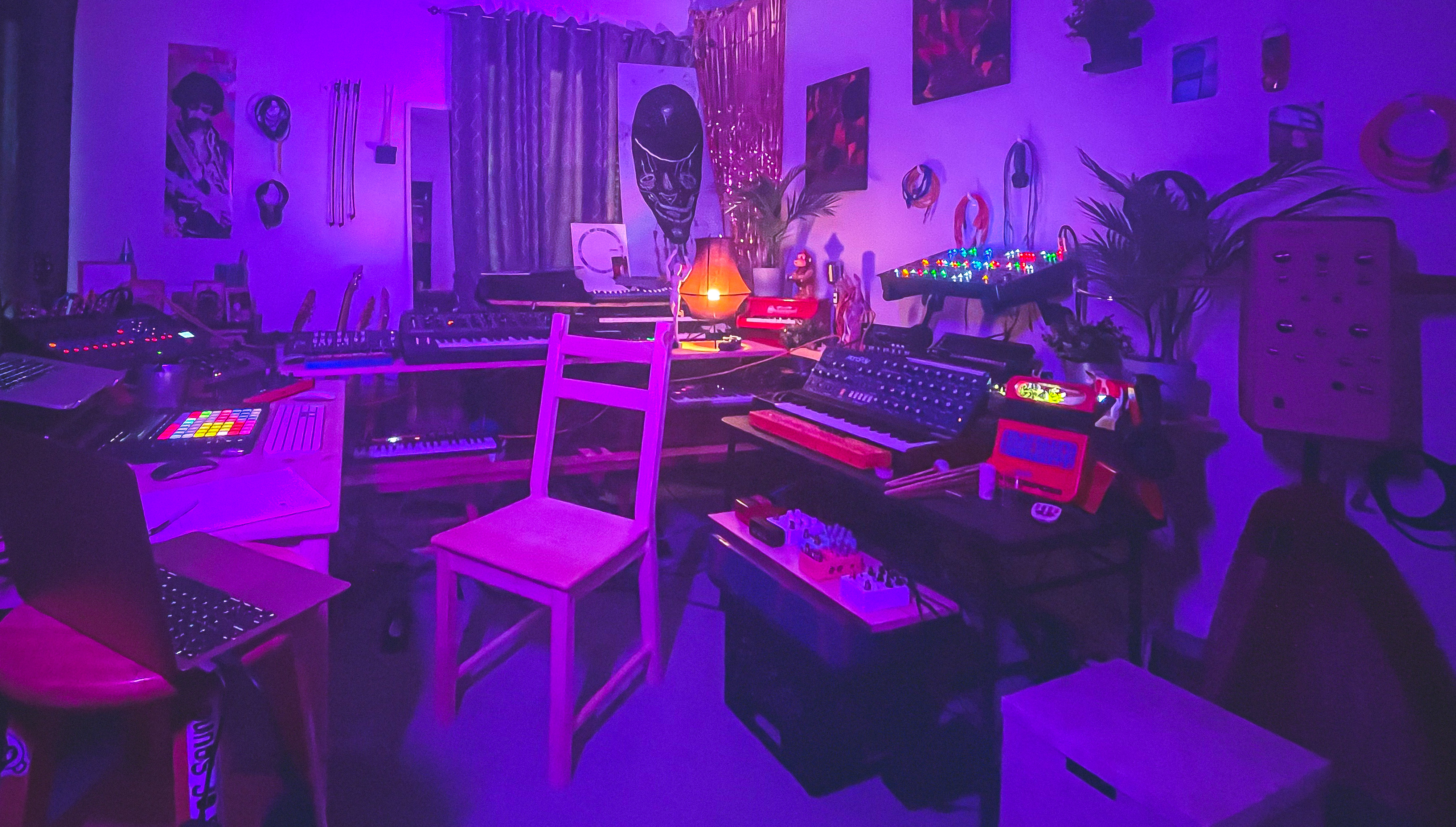
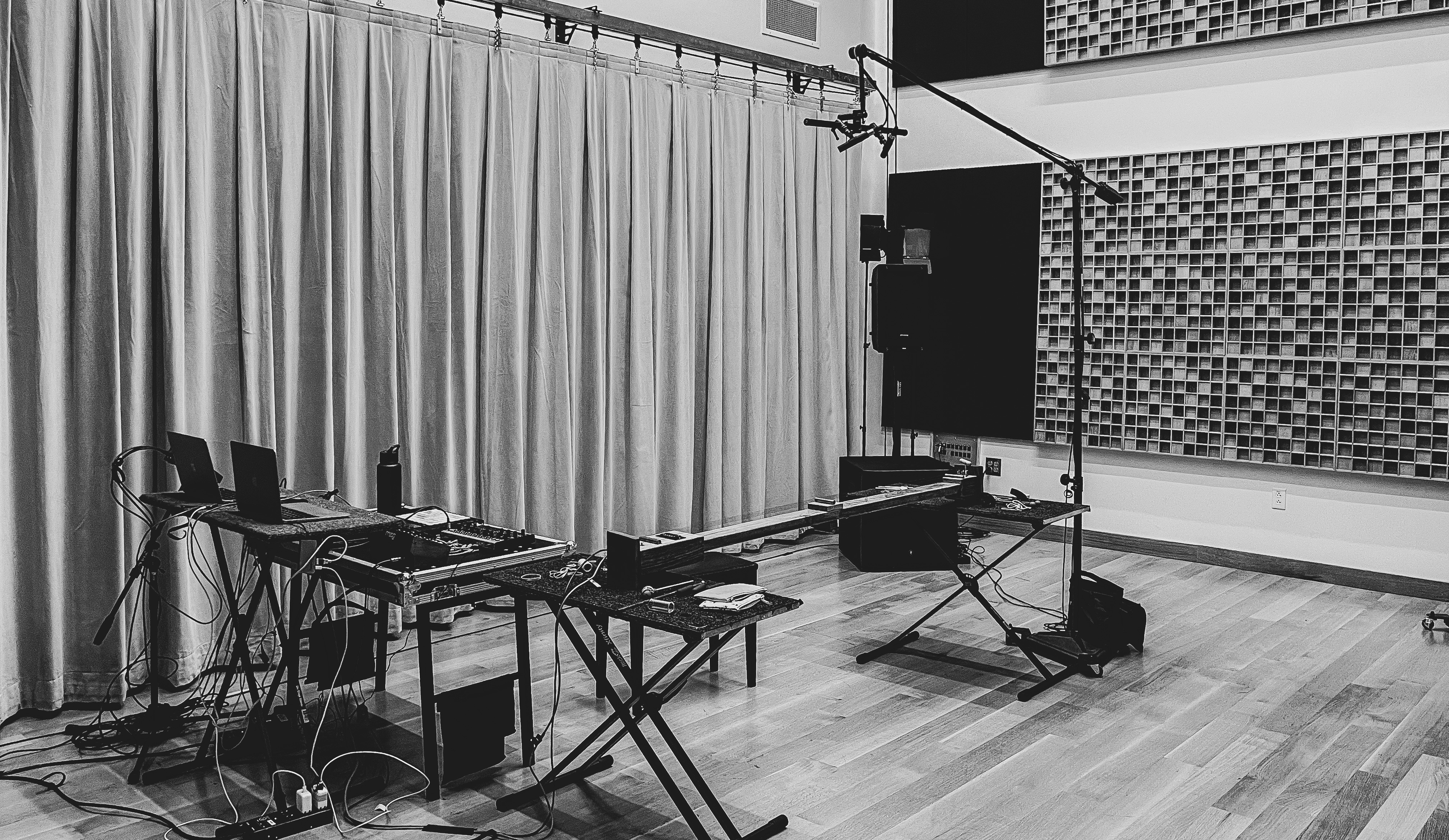
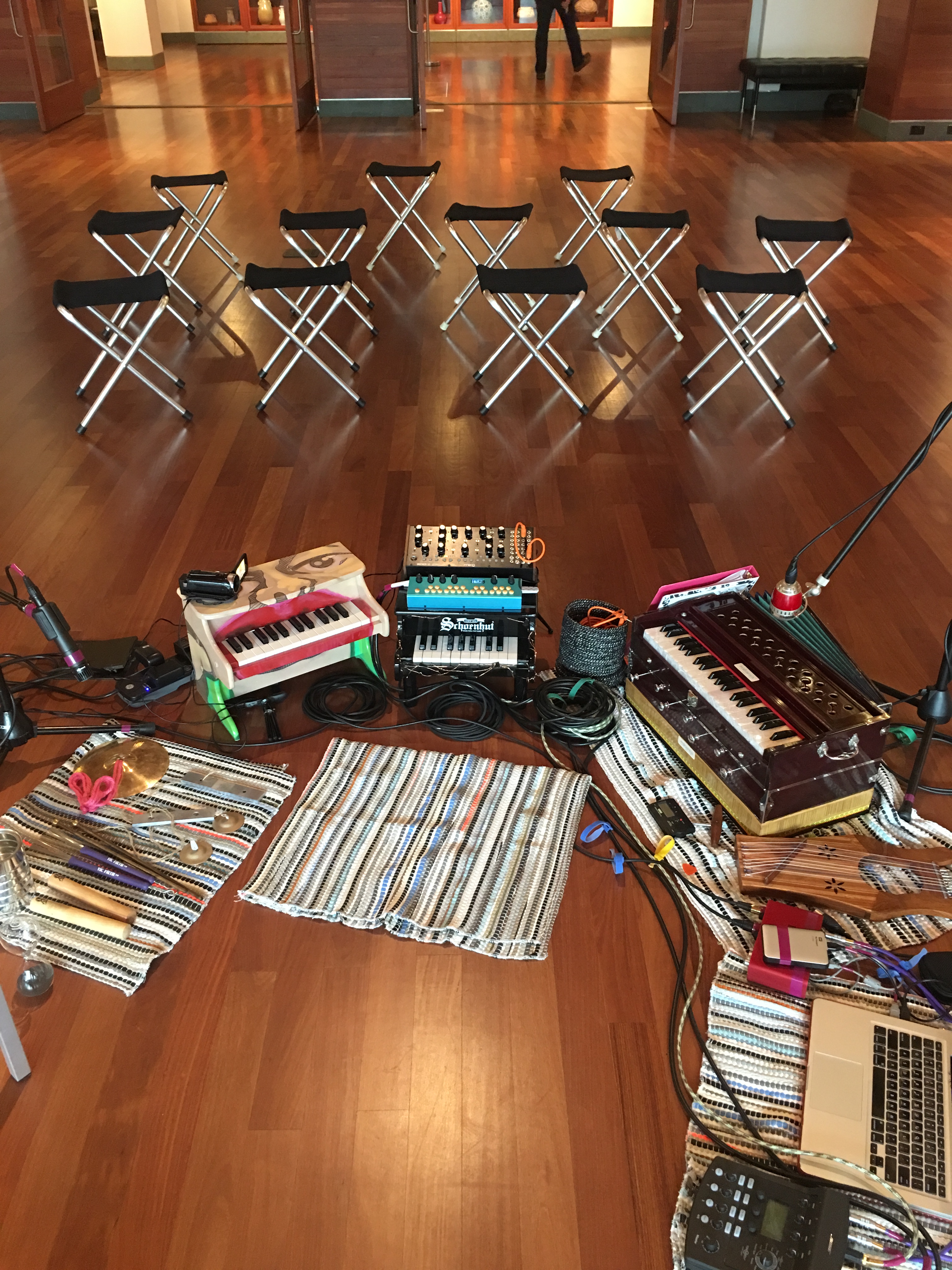
Consider the layout of the system instrument (sometimes called a rig)
How does one have to interact with each interface and what is the distance between elements? Considering the body limitations of the performer and natural tendencies (think like a choreographer) what feels good and what is anatomically impossible? Body considerations must be worked out with a performer if the composing artist is not the primary performer on the system instrument.
Collaborative Creation
It is always advisable for a composing artist to contribute a significant and meaningful amount of their time to working directly with the artists interpreting their work to gain a deeper understanding of the instrument and performer’s capabilities, but this is even more crucial to the development of works for system instruments since there is no standardisation of instrument or technique, every iteration of a system instrument is unique to the performer as well as the situation.
Experimentation
Due to the lack of standardisation by nature of system instruments, composers are inherently challenged but also freed of conventional gestures when writing. This undefined world can seem daunting at first, but if the composing artist is willing to divorce themselves from preconceived notions and expectations of exact realisations of a score, they will uncover a rich and dynamic world beyond the confines of conventional boxes. Openness and curiosity are integral to working with these instruments.
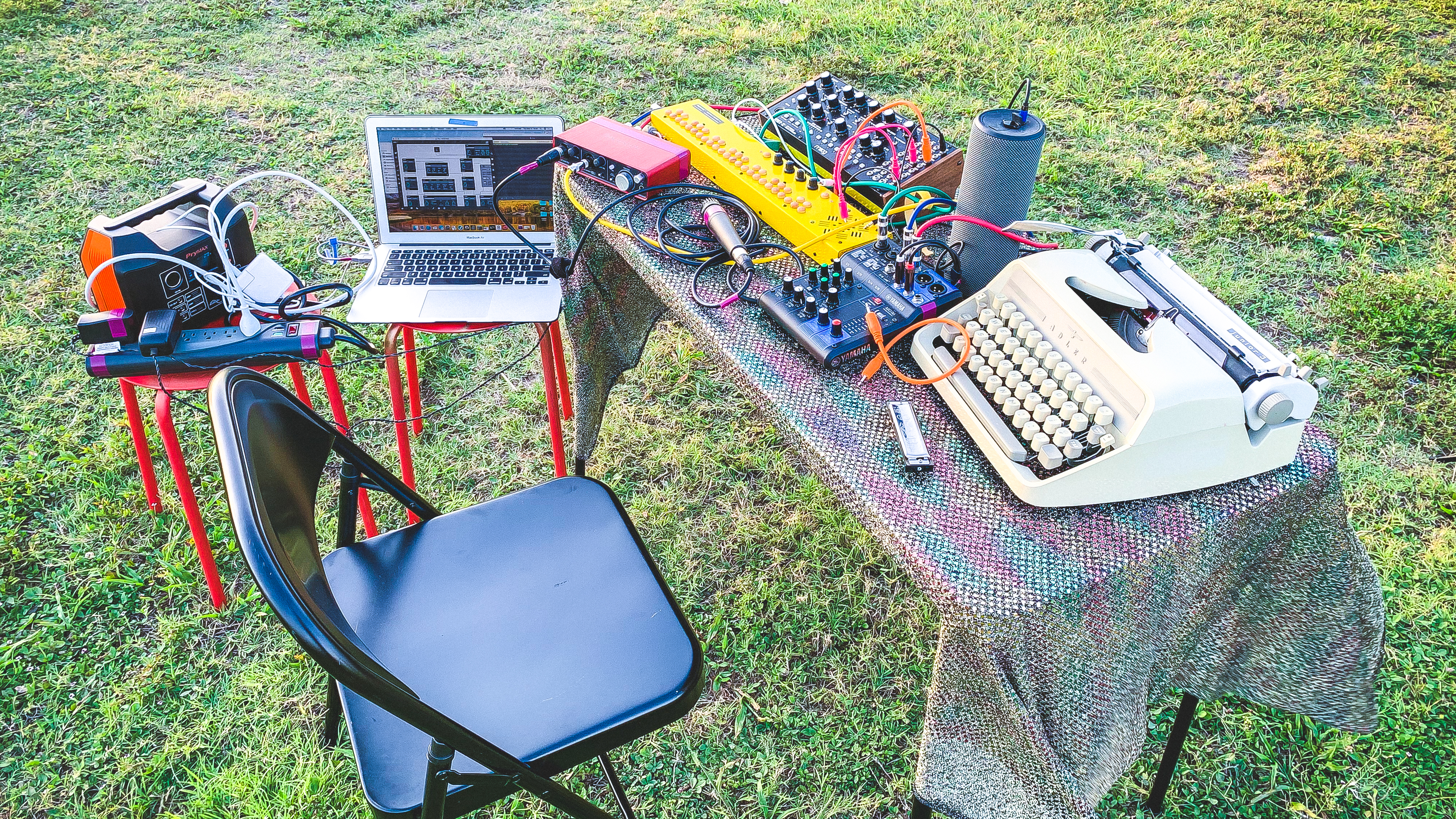
The Spaceship that Elizabeth uses often uses many semi-modular analogue synthesisers and found objects all of which introduce levels of variability and sometimes chaotic unknowns, within the spectrum of experimentation, embracing these as a reflection of organic life that doesn’t robotically repeat identical controlled results. Increasingly, as notation systems and MIDI realisations have allowed composers to indulge in the illusion of total control, there is less of a tolerance and embrace for the beauty of uncontrolled and happenstance… system instruments and in particular The Spaceship present composing artists a chance to engage with another way of existing in the world of human initiated sonic activity.
THE SPACESHIP GENERAL ELEMENTS
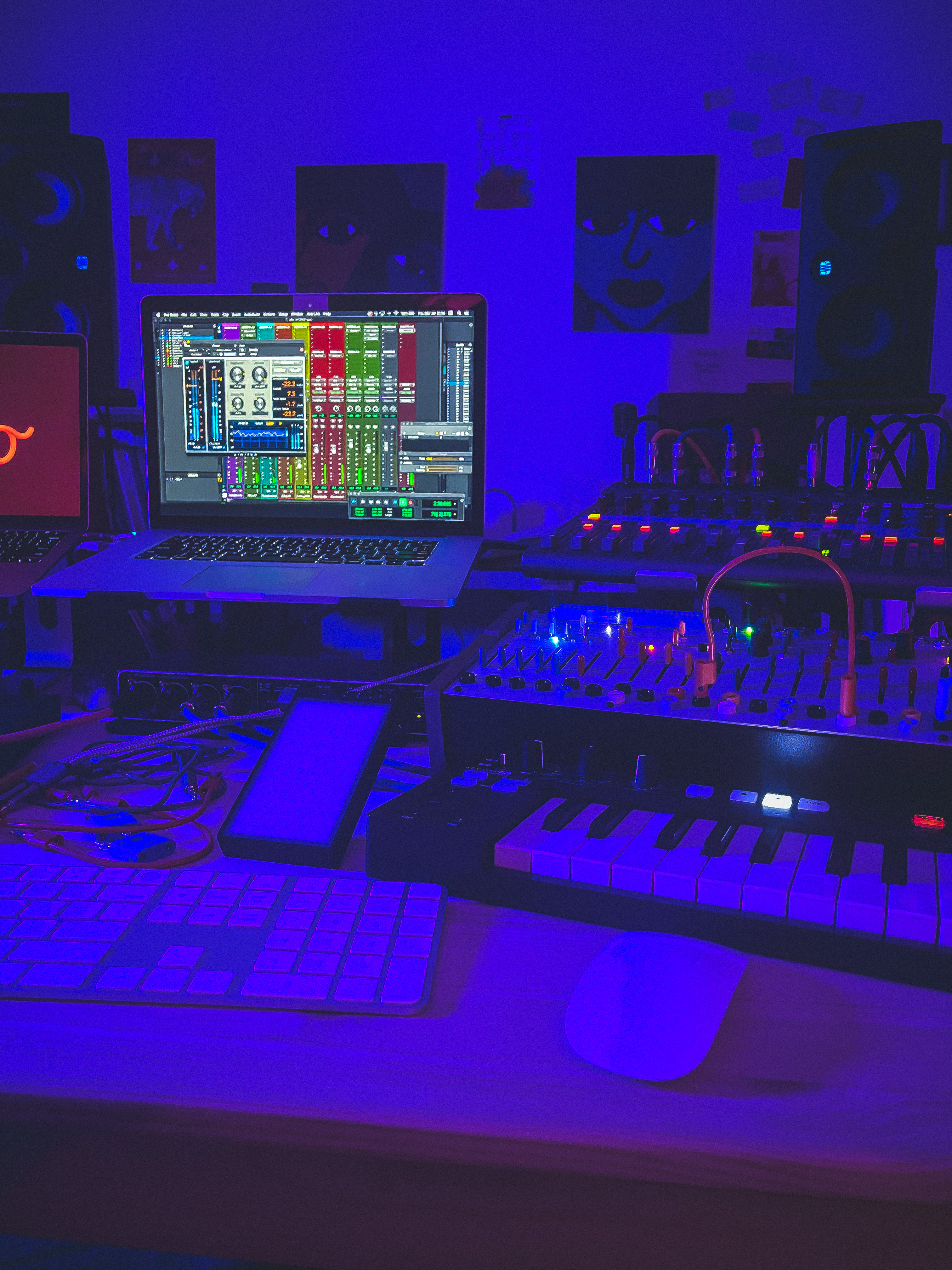
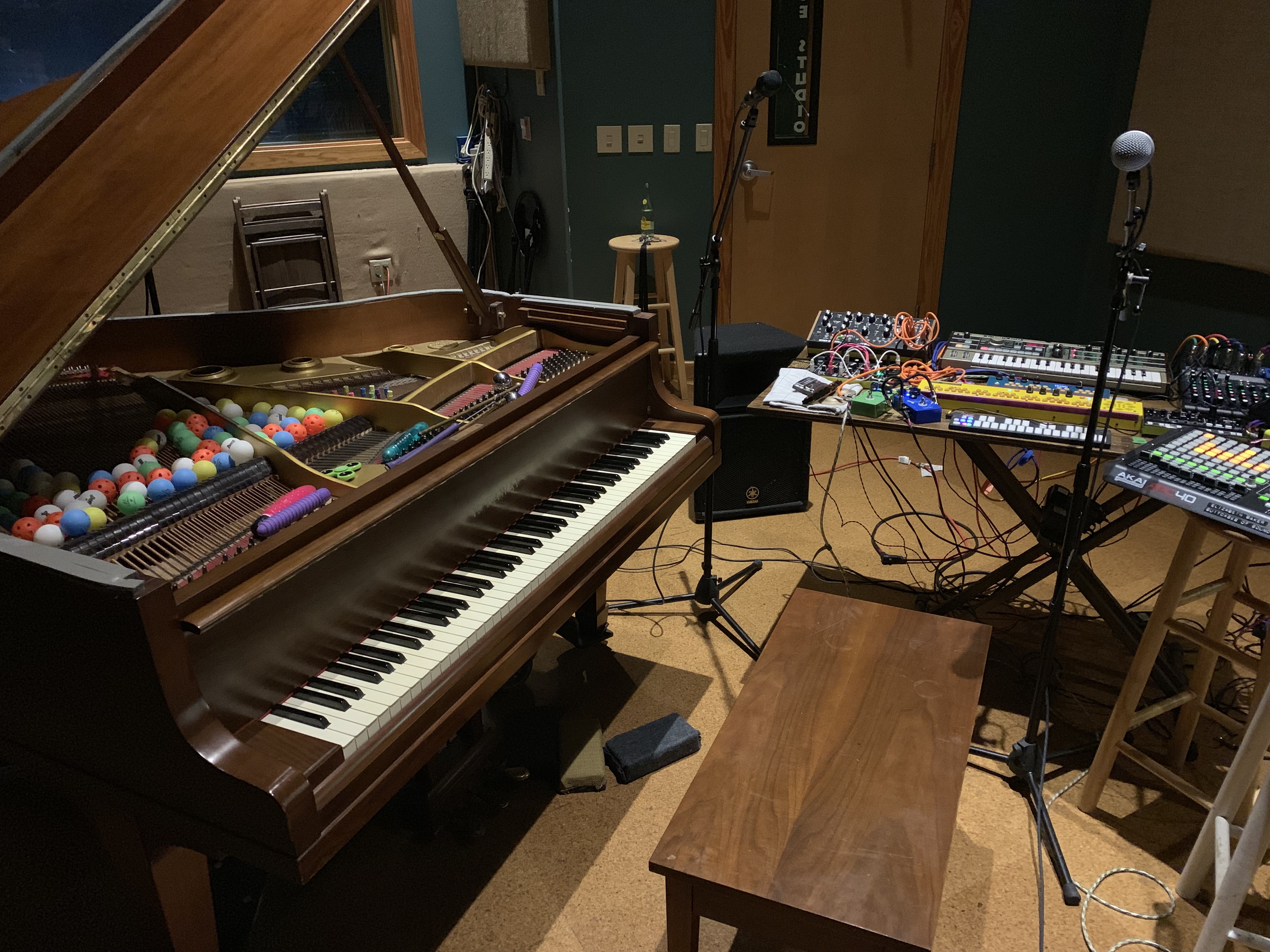
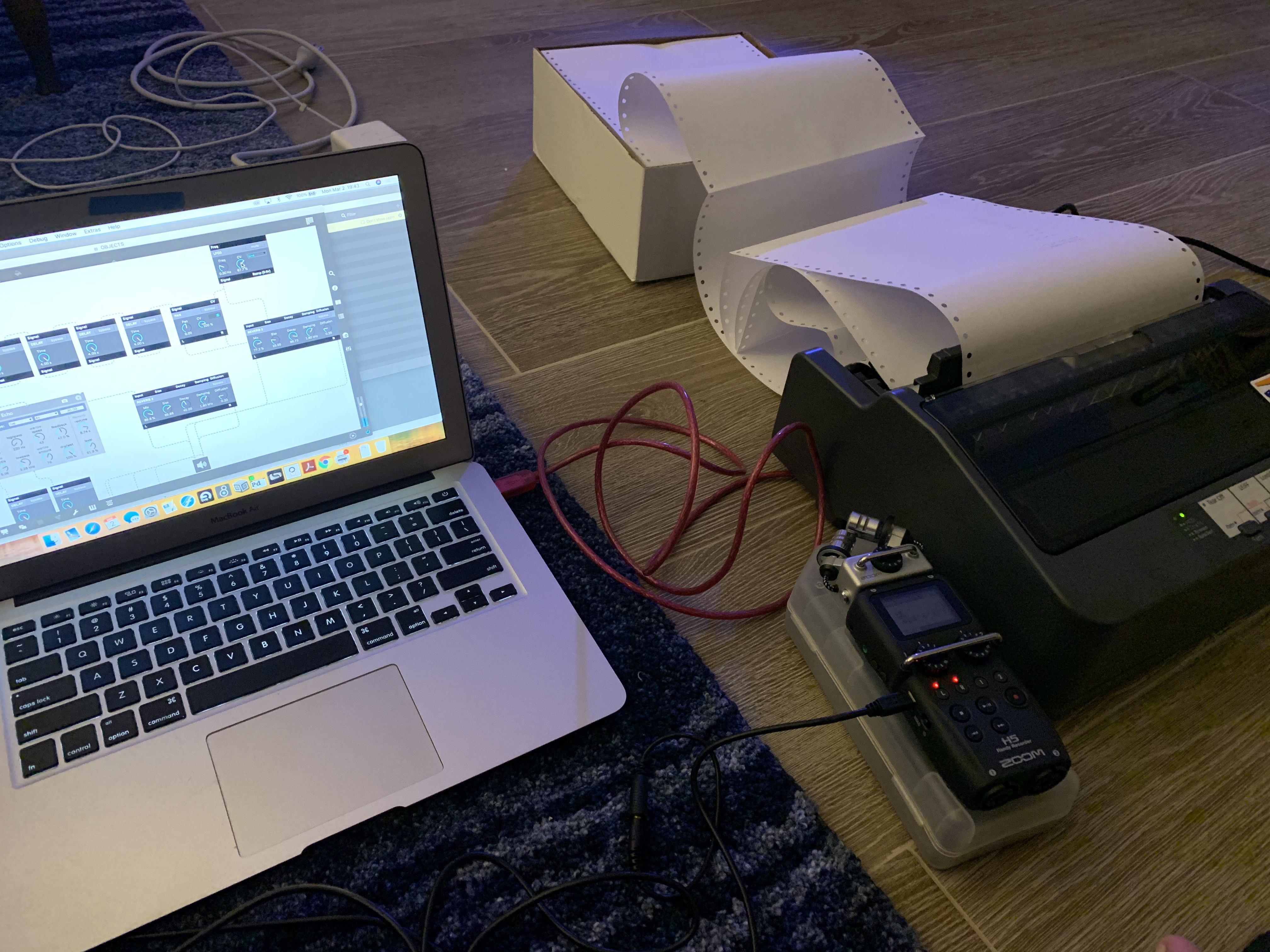
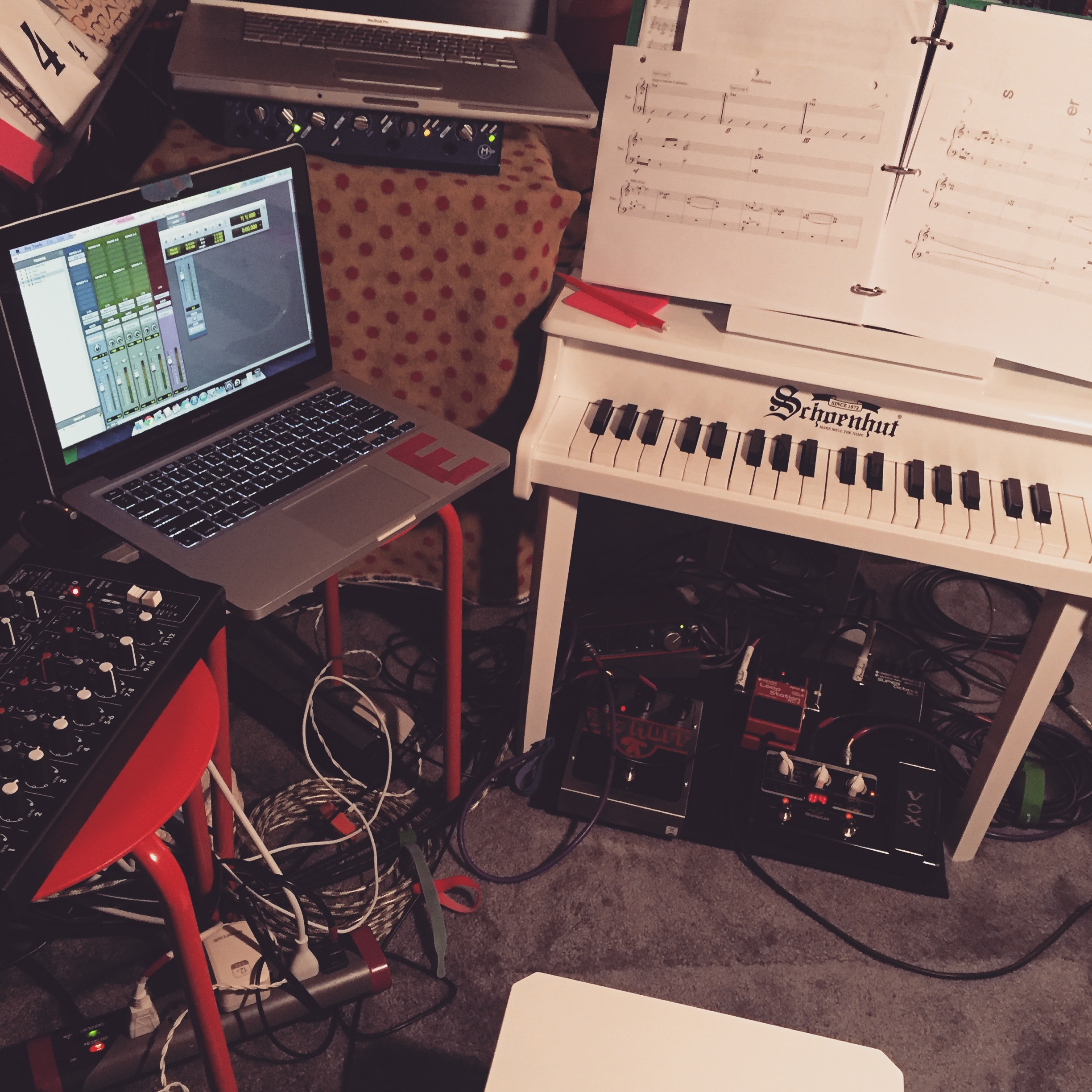
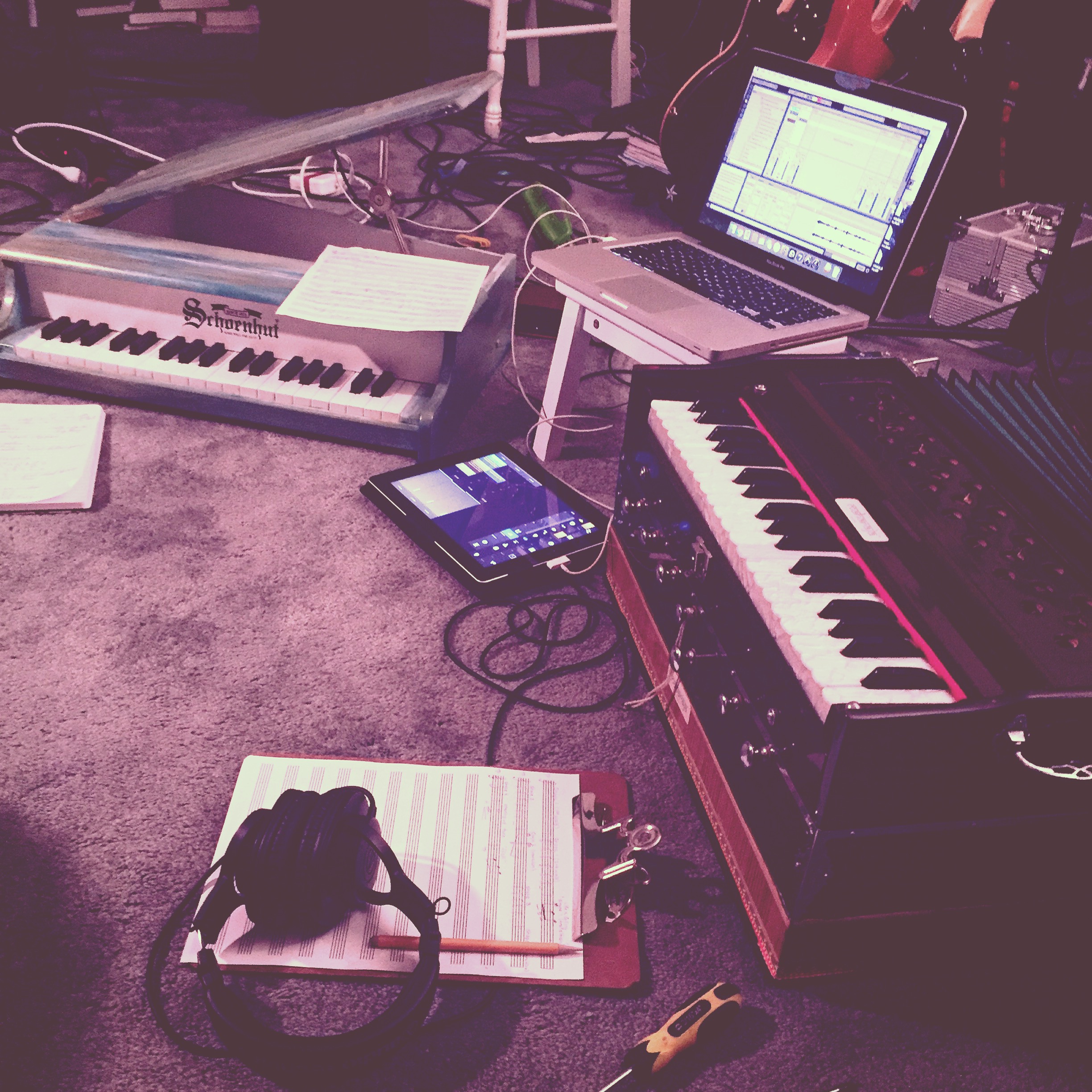
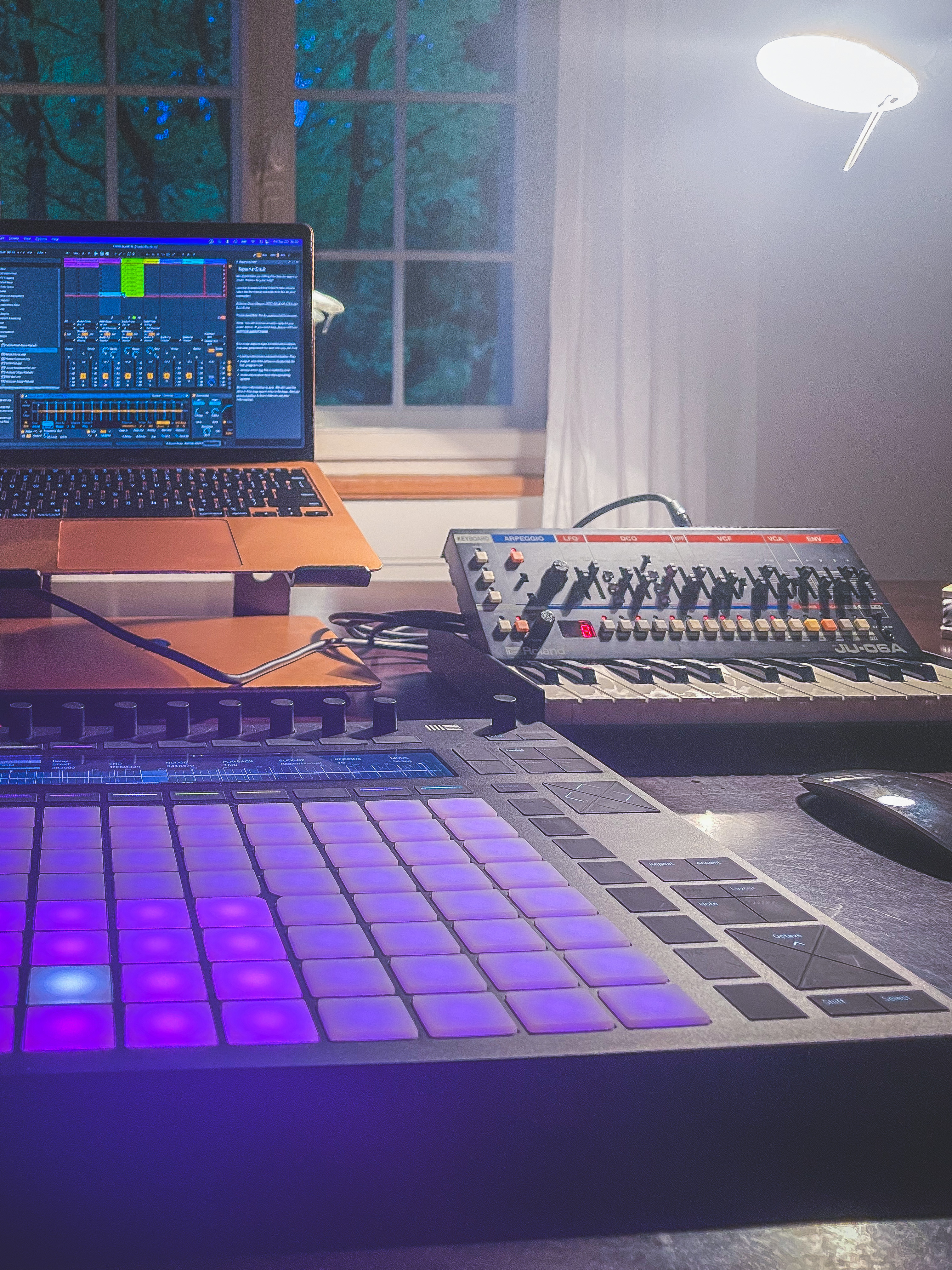
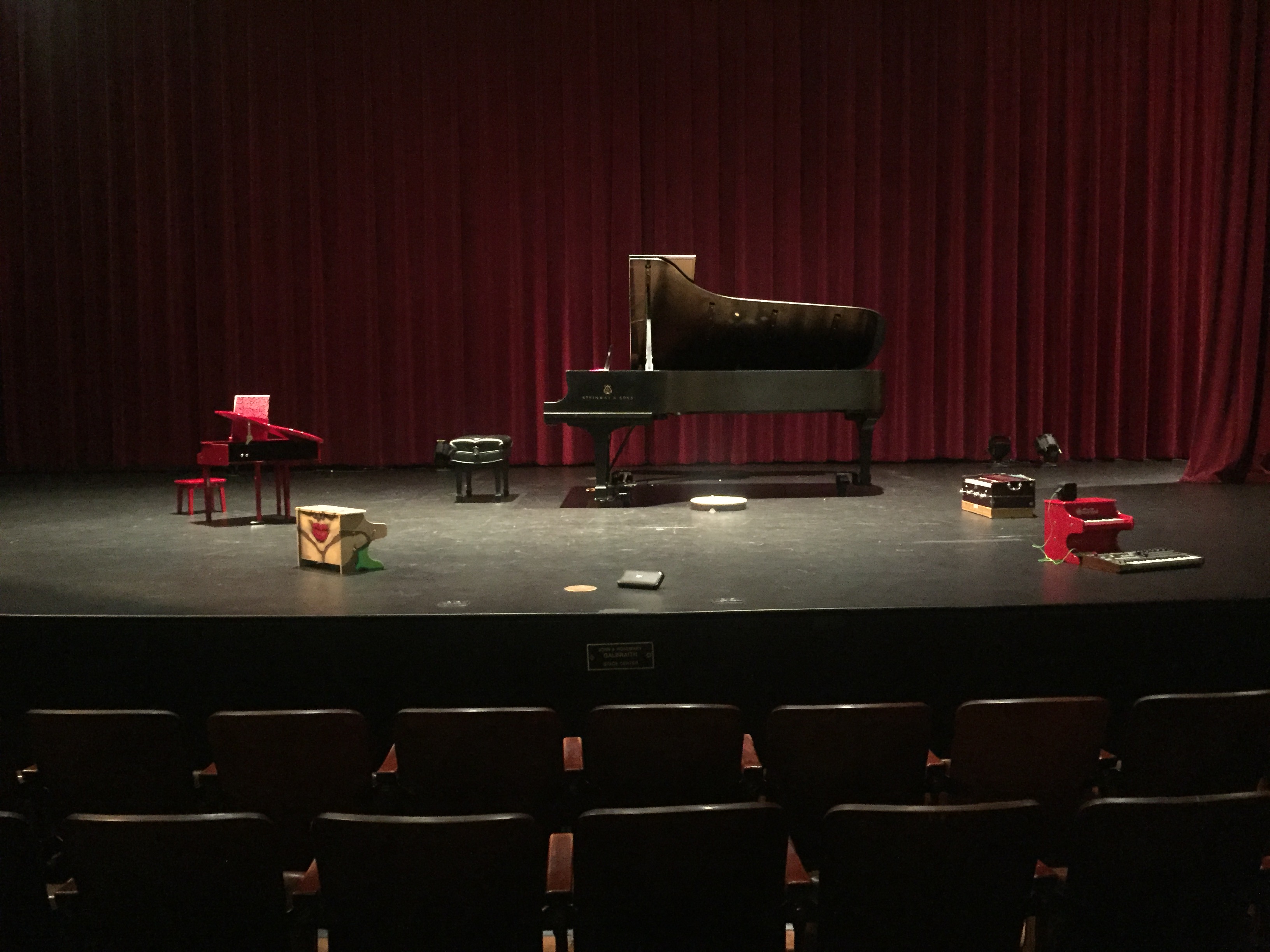
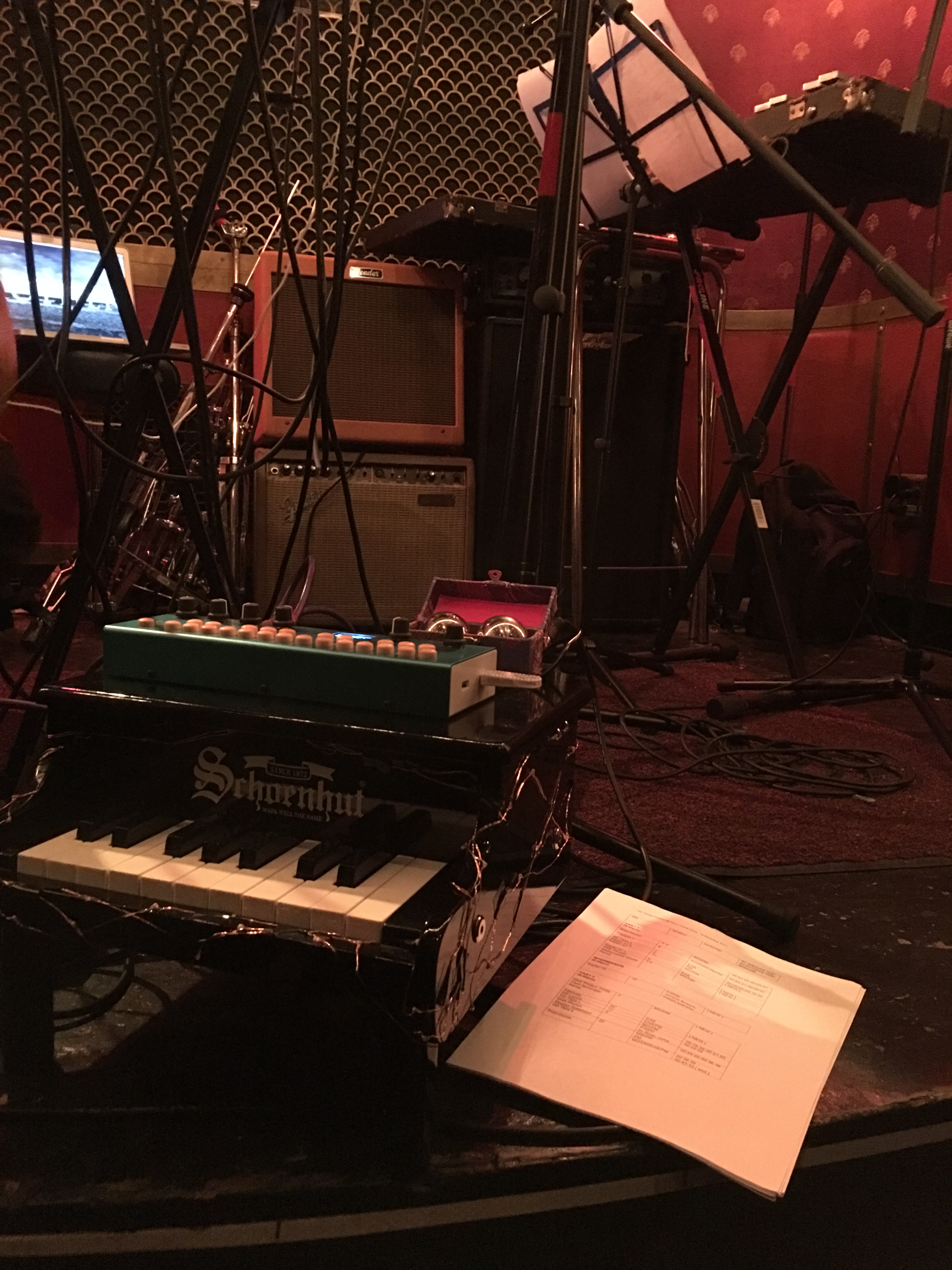
The Spaceship is the name for The Honourable Elizabeth A. Baker’s system instrument. Though by nature, system instruments are in a constant state of flux and change throughout the years Elizabeth’s system instrument has included the following (a more complete list including specific models is available to those who are interested in directly writing for Elizabeth):
Physical Elements
Black Moon Lilith
Semi-Modular Analogue Synthesisers (10)
Keyboard Synthesisers (3)
Rhythm Machines
Toy Piano (9)
Electric Guitars (2)
Electric Bass Guitar
MOOG Theremin (2)
Computers (3)
iPad
iPhones
Speak-and-Spell
Speak-and-Math
Speak-and-Read
Ableton Live Controllers
MIDI Controllers
Critter & Guitari Instruments (2)
Guitar Pedals (10)
Projectors
Video Synthesisers
Light-Activated MIDI Controllers
Wii Remote (2)
Gesture-Based MIDI Controller Devices
Drums & Cymbals
Hydrophones
Lowrey Organ with Leslie Cabinet
Kalimba
Lyre
Vibrating Objects
Cassette Recorders
Field Recorders (5)
Harmonicas (3)
Software Elements
Ableton Live
Pro Tools
Max
Pure Data
SuperCollider
Word Processing with Accessibility
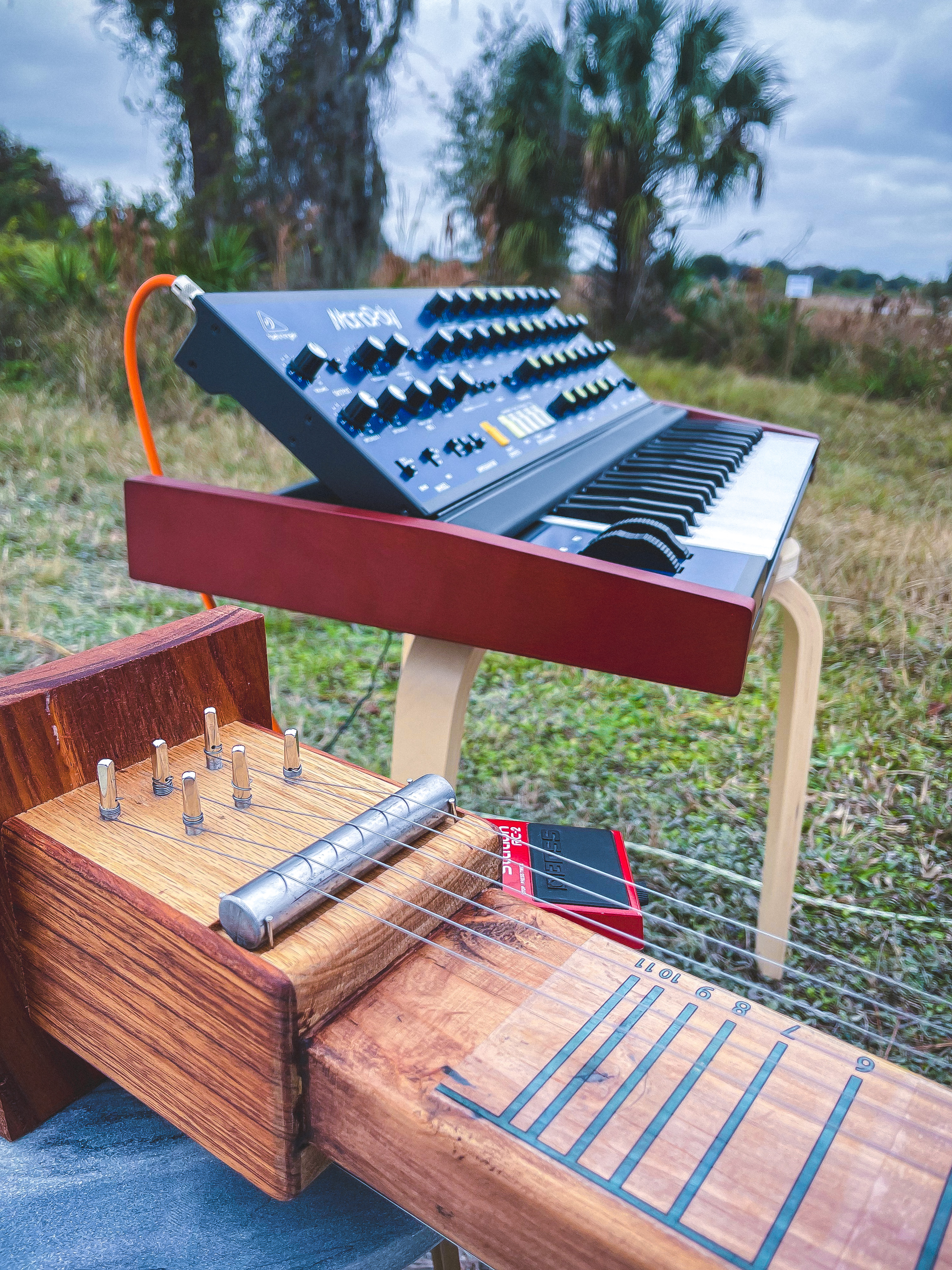

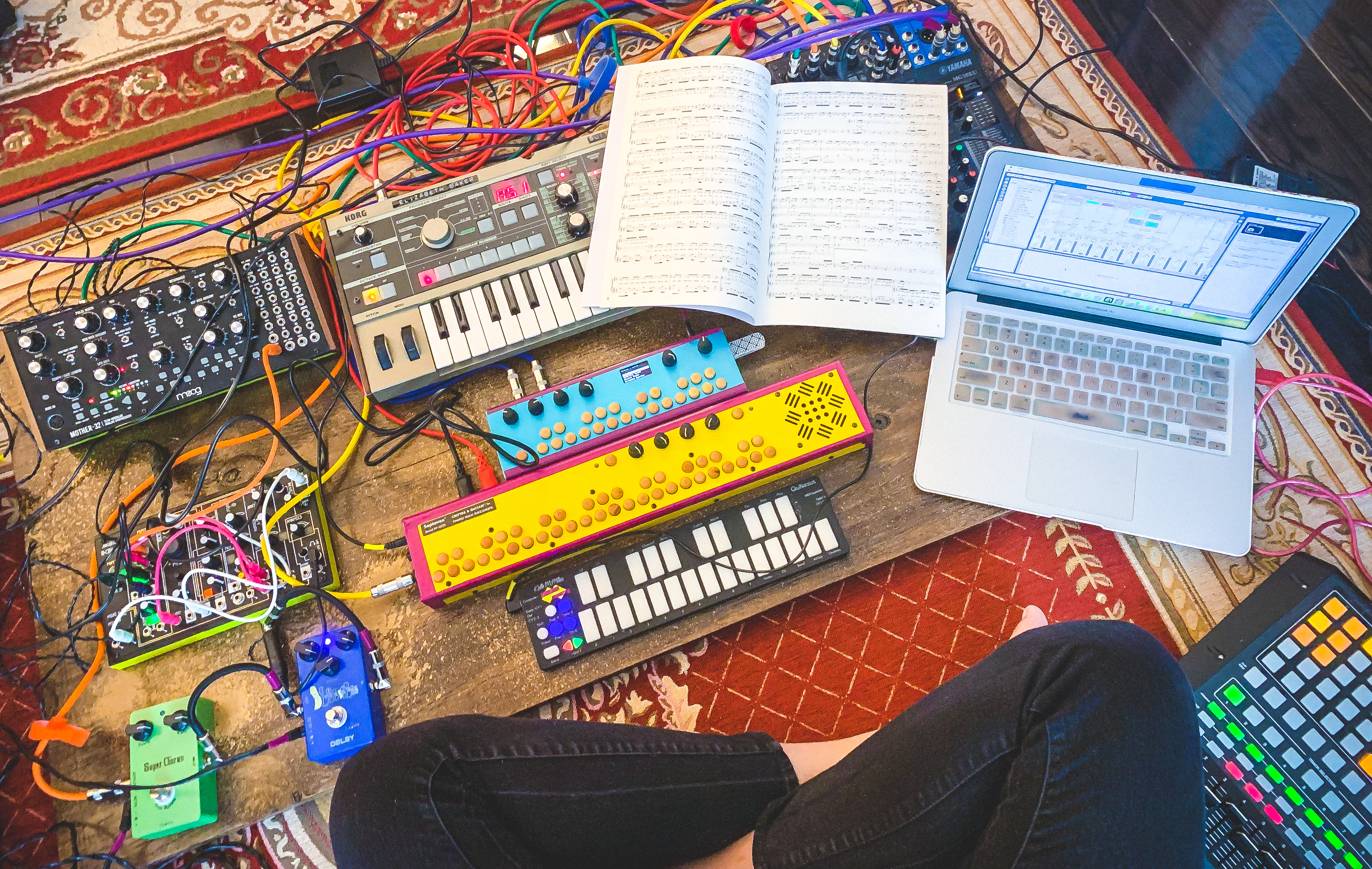


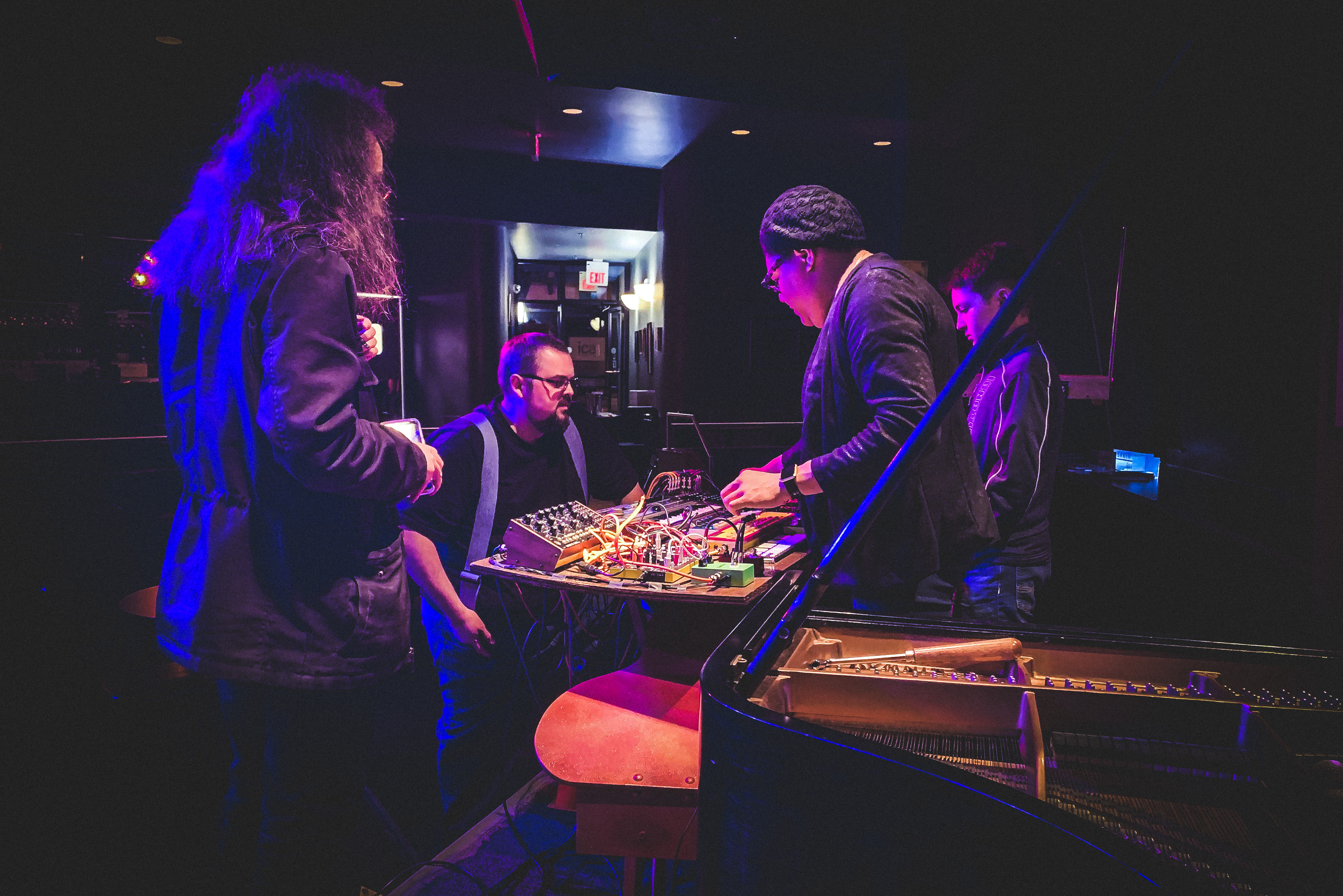

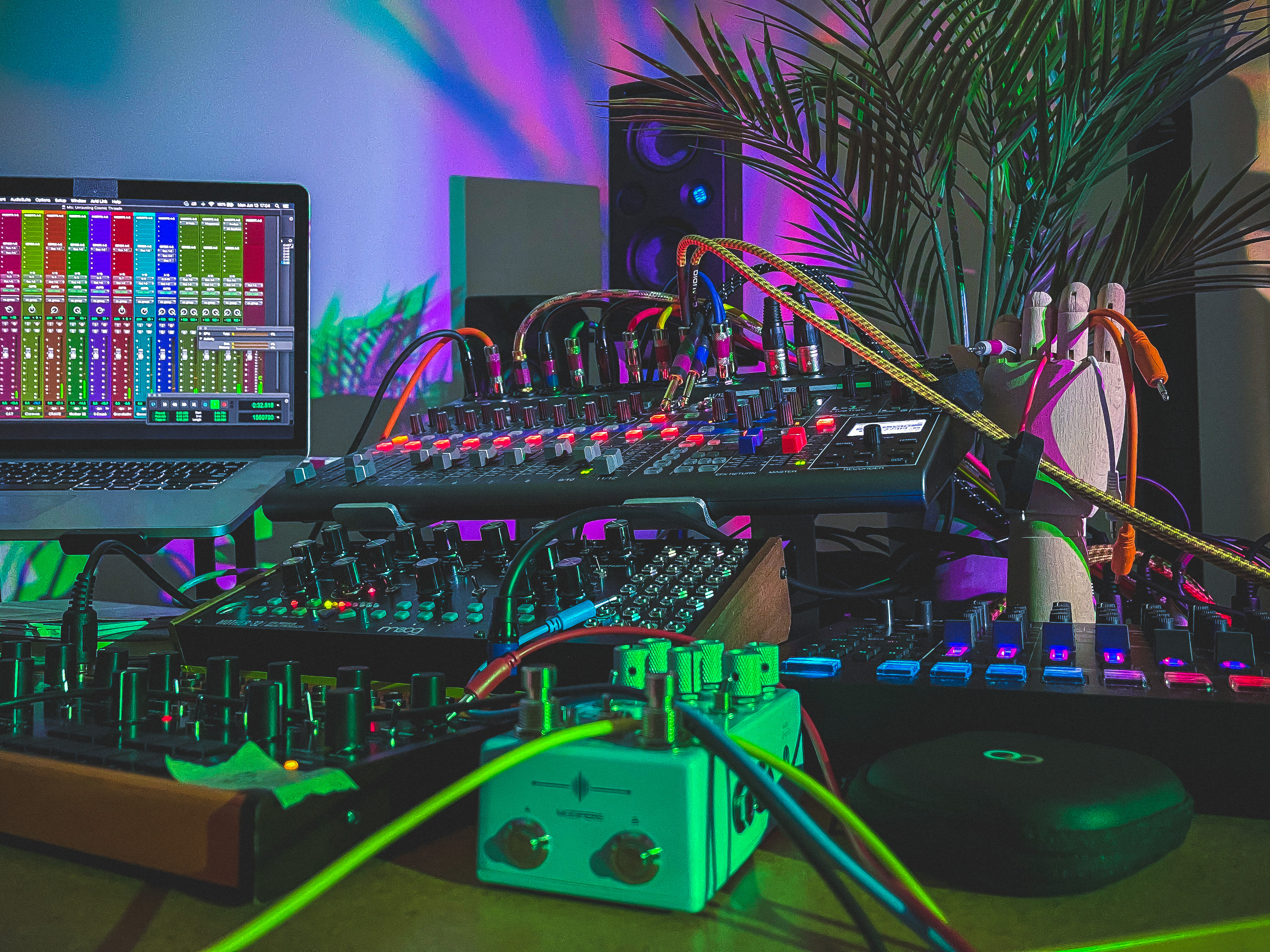








Interested in writing for Elizabeth on her system instrument or booking a performance? Please send an email to elizabeth [at] elizabethabaker [dot] com.
 The Honourable Elizabeth A. Baker